




Replace your wiper blades about once a year, and check them at least every six months. If they streak, chatter, squeak or leave hazy patches in your view, replace them now, because clear vision in rain is a safety item, not a cosmetic one. Most drivers can do the job in a few minutes with no tools, or have a shop do it during another visit.
This guide covers the signs of worn blades, how to find the right size, the main blade types, what you can expect to pay, a step-by-step install and what to check when new blades still don’t clear the glass.
TL;DR
- Inspect blades at least every six months and plan to replace them about once a year, according to Car and Driver.
- Streaking, skipping, squeaking and a cracked or split rubber edge all mean the blades are done.
- Find your size in the owner’s manual, with a tape measure or with a parts fitment guide. Driver and passenger blades are often different lengths.
- Blade prices vary with size and type. Ask us for a quote on your vehicle, since we don’t publish a price for this service.
- If new blades still streak, the cause may be somewhere else, such as the glass, the washer fluid or the wiper arm.
Table of Contents
- Signs your wiper blades need replacing
- How often to replace wiper blades
- Find the right wiper blade size
- Rubber, silicone and beam blades
- What wiper blade replacement costs
- How to replace wiper blades yourself
- When new blades still streak
- Wiper blades and the rest of your visibility and safety checks
- Our perspective on wipers
- Let us handle your wipers
- FAQ
- Book your wiper service
- Sources
Signs your wiper blades need replacing
Blades wear slowly, so most people don’t notice until the first heavy storm. A quick check in the driveway tells you a lot. Here is what to look for.
- Streaks across the glass. A clean blade leaves a thin, even film of water that clears. Streaks mean the edge has lost its sharpness or has hardened. Federal safety data shows streaking is the most common wiper complaint on General Motors vehicles, though worn blades are not the only cause.
- Skipping or chattering. If the blade hops across the glass instead of gliding, the rubber may have taken a permanent set or the frame may no longer press evenly.
- Squeaking or chirping. A dry, noisy sweep is a common sign of aged rubber, especially on a lightly wet windshield.
- Cracked, split or torn rubber. Run a fingertip along the edge. Nicks, tears or a rubber strip peeling away from the frame need replacing right away.
- Bent or rusted frames. On conventional blades, a bent or corroded frame can’t hold the rubber against the glass evenly.
- Hazy sweep patterns. A smeared band in the middle or at the edges of the glass tells you part of the blade isn’t making contact.
Sun and heat are hard on rubber. Cars parked outside through long, hot summers tend to need fresh blades sooner than garaged ones. Treat the yearly guideline as a ceiling, not a promise.
How often to replace wiper blades
The widely repeated guideline is simple: look at your blades at least every six months and replace them about once a year. That comes from Car and Driver’s wiper guide, and it holds up well for most drivers.
A few things shift the timeline:
- Where you park. Direct sun dries and cracks rubber faster than shade or a garage.
- How often you use them. Frequent use in rain, or in dusty conditions with a dry windshield, wears the edge down.
- Glass condition. A pitted or gritty windshield wears blades faster.
- Blade type. Some designs last longer than others, though the yearly check applies to all of them.
A good habit is to tie the check to something you already do. When you get your oil changed, glance at the blades. If you want a reminder of what to confirm at that visit, our guide to the first oil change on a new car lists useful items to ask about.
Find the right wiper blade size
A blade that’s too short leaves uncleared glass. One that’s too long can hit the edge of the windshield or the other wiper. Fit matters.
There are three reliable ways to find your size, all described in Car and Driver’s guide:
- Check the owner’s manual. It lists the correct lengths.
- Measure your existing blades with a tape measure.
- Use an online parts fitment guide that looks up blades by make, model and year.
Whichever method you use, verify each blade separately. Driver-side and passenger-side wipers are often different lengths, and the rear wiper on an SUV, hatchback or wagon is usually a third size. Write the numbers down before you shop.
The attachment style matters as much as the length. Blades connect to the arm in different ways, such as a hook, a pin or a side lock. Most new blade packages include adapters, but check the packaging for your vehicle’s arm type.
Rubber, silicone and beam blades
Blade shopping comes down to two separate choices: the frame design and the wiping material.
Frame design
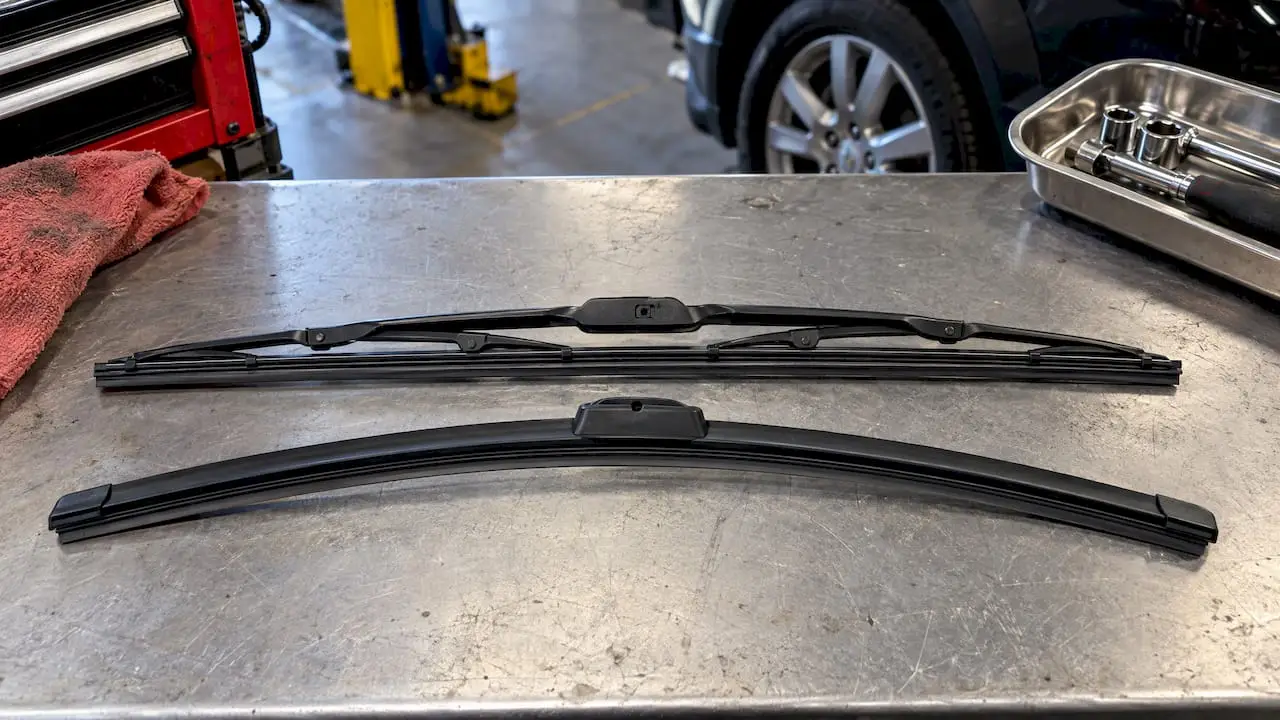
Conventional blades are the most common design. They have a replaceable rubber blade held in a spring-tensioned frame, according to Consumer Reports. They are widely available and usually the lowest-priced option.
Beam blades have spring steel built into the rubber and are promoted as giving more uniform pressure on curved windshields, per Consumer Reports. With no exposed frame, they also sit lower and have fewer places for ice or packed snow to collect.
Rubber versus silicone
Natural and synthetic rubber blades are the standard choice. Silicone blades are sold as a longer-wearing, premium alternative, and they usually cost more up front. Because brands make different claims about how long each material lasts, treat any single number you see on a package as the manufacturer’s own estimate. A better test is your own windshield: if a blade type leaves clean, quiet sweeps for a full year in your conditions, it’s the right one for you.
Consumer Reports also notes that some of the best-performing blades are among the least expensive, so a high price does not guarantee high quality (Consumer Reports). That’s useful when you’re standing in front of a wall of options.
What wiper blade replacement costs
The price depends on size, blade type and whether you install them yourself. Consumer Reports, in a buying guide published in 2016, reported that a smaller blade can cost under $10, while a 24- or 26-inch blade can cost $25 or more (Consumer Reports). Prices have moved since then, so treat those as a rough shape rather than a current quote: bigger blades cost more, and you usually need two or three.
For a professional install, you’re paying for the blades plus a few minutes of labor. We don’t publish a set price for wiper blades, and the right figure depends on your vehicle. Call us at (972) 775-5945 and we’ll tell you what your car needs.
If you’re comparing blade options, a bargain pair that you replace twice as often isn’t a bargain. If you’re also weighing windshield-related upkeep, a guide on DIY windshield chip repair kits shows what resin kits can and can’t fix, which helps you separate glass problems from blade problems.
How to replace wiper blades yourself
Most cars need no tools. Toyota’s own guidance describes the same basic process: turn off the wipers, lift the arms, remove the old blades, and attach correctly sized new ones until they click (Toyota). The release method varies by model, so keep the owner’s manual handy.
- Buy the right blades. Confirm both lengths and the attachment type first.
- Protect the glass. Lay a folded towel on the windshield under the wiper arm. If a bare metal arm slips and snaps back, the towel cushions the glass, a tip from Car and Driver.
- Lift the arm away from the glass. If it won’t lift easily, check the manual. Some arms must be put into a service position first, according to the same guide.
- Release the old blade. Most have a small tab or button where the blade meets the arm. Press it and slide the blade off.
- Attach the new blade. Slide it on and listen for a click. Give it a gentle tug to confirm it’s locked.
- Lower the arm slowly. Don’t let it drop.
- Repeat on the other side, and on the rear wiper if your vehicle has one.
Test the new blades
Spray the windshield with washer fluid and run the wipers. They should move smoothly, without skipping or chirping (Car and Driver). If one chatters, recheck that it’s seated fully and that the size is right.
When new blades still streak
Sometimes fresh blades don’t fix the problem. Before you buy a second set, rule out these causes:
- Dirty or filmy glass. Oils, road film and wax residue can cause smearing. Clean the glass and the blade edges with glass cleaner or washer fluid.
- Low or empty washer fluid. Dry wiping wears blades and scratches glass. Top off the reservoir and check that the nozzles spray where they should.
- Wrong size or poor fit. A blade that doesn’t match the curve of the glass lifts at the ends.
- A weak or bent wiper arm. If the arm doesn’t press the blade evenly, no blade will wipe cleanly.
- Damaged glass. Pitting, scratches and chips can all affect how the blade moves and how light scatters at night.
The federal service bulletin mentioned above makes the same point: streaking is common, but worn blades aren’t the only reason for it (NHTSA). If the arms or the washer system look like the culprit, bring the vehicle in and we’ll check them with you.
While you’re thinking about visibility, check the rest of your lighting. Dim headlights make rainy nights harder, and our page on headlight bulb replacement explains how that repair goes. If your defroster or vents are weak and the windshield fogs, a failing blower is one possible cause, covered in our guide to a blower motor that isn’t working.
Wiper blades and the rest of your visibility and safety checks
Wipers are one part of seeing and being seen. When you’re due for blades, it’s a sensible moment to look at the other items that affect you in wet weather:
- Tires. Tread and sidewall condition matter on slick roads. Our walkthrough on spotting tire dry rot takes about five minutes.
- Brakes. Longer stopping distances on wet pavement are easier to manage when pads and fluid are in good shape. See five signs your brakes may need service.
- Climate control. A working A/C also helps clear a fogged windshield in humid weather.
None of this needs to happen on the same day. It just helps to treat a wiper check as a prompt for a quick look at the whole car.
Our perspective on wipers
We see worn wipers all the time, and they are one of the easiest safety items to put off. The car still runs, so the blades slide down the list, until a downpour on the highway makes the problem obvious.
Our view is simple: treat wiper blades as routine maintenance, not an emergency. Check them twice a year, replace them about once a year, and match the blade to your vehicle instead of grabbing the first package on the shelf.
If you like doing it yourself, the steps above will get you there. If you’d rather not deal with fit, arm types or a stubborn clip, our ASE-certified mechanics can do it for you and look over the arms, washer system and other items at the same time. We aim to explain what we find in plain terms and recommend only what your vehicle needs.
Kwik Kar
Let us handle your wipers
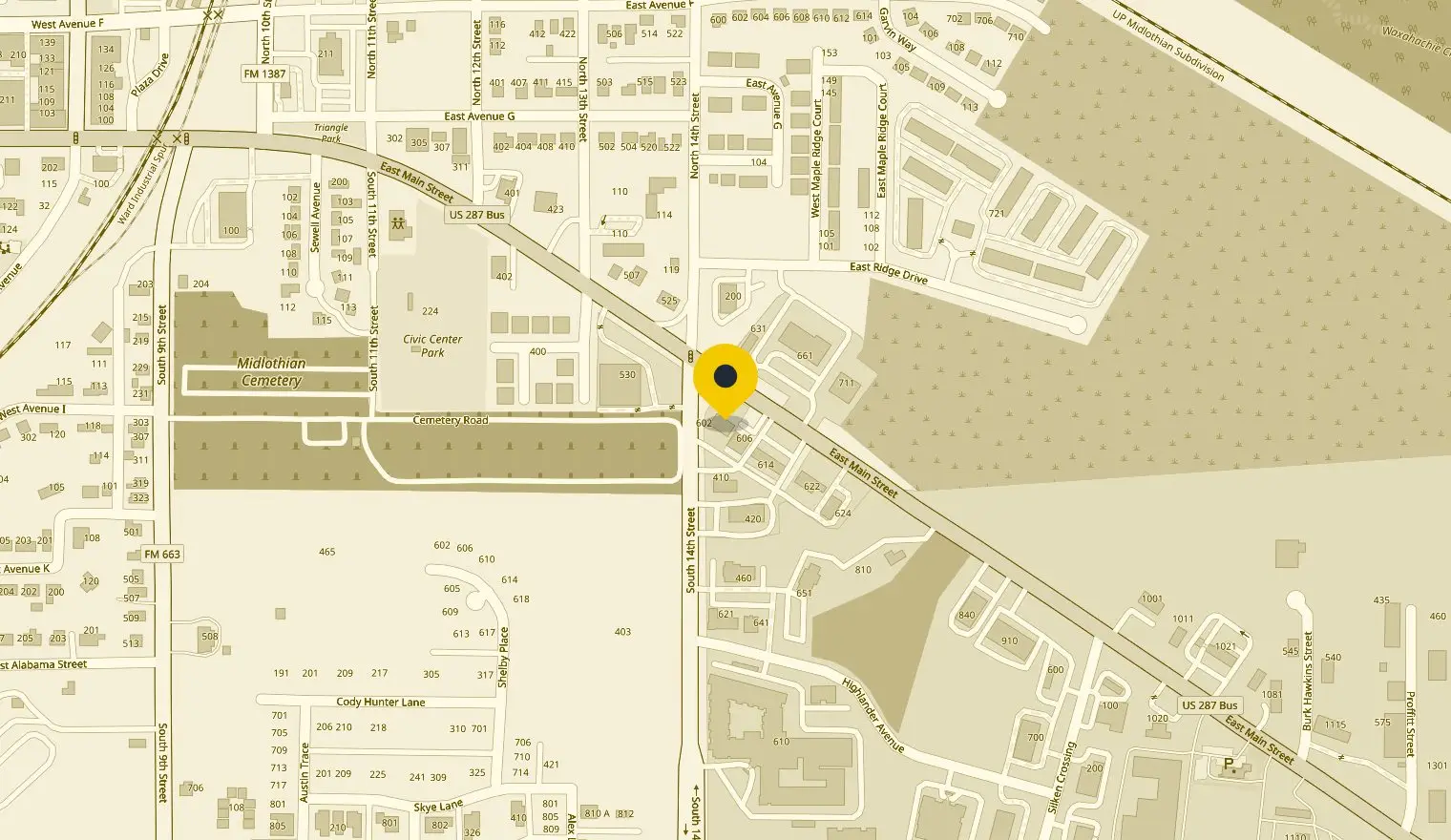
Wiper blades are part of the maintenance we do at our Midlothian shop, along with oil changes, tires, brakes, filters, lighting and more. You can see the full list on our services page.

If you’d like blades fitted while you’re in for something else, tell us when you book. Check our specials page for current coupons, since offers change and we don’t want you relying on an outdated figure here.
FAQ
How often should I change my wiper blades?
Inspect them at least every six months and replace them about once a year. Replace sooner if you see streaks, skipping, squeaking or damaged rubber. Hot sun and heavy use can shorten their life.
How much does wiper blade replacement cost?
It depends on blade size, type and whether someone installs them for you. In a 2016 buying guide, Consumer Reports put small blades under $10 and larger 24- or 26-inch blades at $25 or more each. For a quote on your vehicle, call us at (972) 775-5945.
Can I replace wiper blades myself?
Yes. On most cars it takes a few minutes and no tools: lift the arm, release the old blade, click the new one in place and lower the arm gently. Check your owner’s manual first, because the release method varies by model.
Are driver and passenger wiper blades the same size?
Often they aren’t. Check the length of each blade separately in your owner’s manual or by measuring, and don’t forget the rear wiper if your vehicle has one.
Why do my wipers streak even with new blades?
Common causes include dirty glass, low washer fluid, the wrong blade size or a bent or weak wiper arm. Clean the glass and blade edges first. If streaking continues, have the arms and washer system checked.
Book your wiper service
If your blades are streaking or it’s been a year, give us a call at (972) 775-5945 or stop by to schedule service. We’ll find the right blades for your vehicle and get you ready for the next rainy drive.
Sources
- How to Change Your Windshield Wiper Blades, Car and Driver
- Best Wiper Blade Buying Guide, Consumer Reports
- How to Change Windshield Wiper Blades, Toyota
- Technical service bulletin on wiper streaking, NHTSA
- Windshield Repair Kit: Does DIY Resin Actually Fix a Chip?, FrenzyCars