




If your air conditioner blows warm air and the compressor clutch won’t engage, you’re most likely looking at a failed or failing compressor, an electrical fault, or a refrigerant leak that has starved the system. Stop driving if the belt looks damaged or frayed, since a locked compressor can snap a belt that also runs your engine cooling components. Beyond that immediate safety check, the right next step is a professional diagnosis before you spend money on parts.
TL;DR:
- Most compressor failures result from refrigerant leaks, contamination, electrical faults, or improper installation, requiring proper diagnosis to determine the actual cause.
- Diagnostic steps include pressure testing, electrical checks of the clutch, leak detection with UV dye or electronic detectors, and system scans for modern variable displacement compressors.
- Repair options vary from clutch or pulley fixes to full compressor replacement, with thorough system flushing and component replacement needed after internal seizure or metal debris contamination.
- Costs and repair times depend on the vehicle, contamination extent, and part availability, with simple repairs sometimes completed the same day and full replacements taking several hours.
- Regular system maintenance, such as running your AC periodically and keeping the condenser clear, can prevent compressor failure and reduce repair costs over time.
Table of Contents
- What Does AC Compressor Failure Look Like?
- What Causes a Compressor to Fail?
- How Shops Diagnose a Failing Compressor
- Repair Options: Clutch Fix, Compressor Swap, or Full System Work
- What Does It Cost, and How Long Does It Take?
- Preventing Compressor Failure Before It Starts
- Car AC vs. Home AC: How Compressor Failure Differs
- Safety Hazards to Watch For
- Approach to Compressor Diagnosis
- Get Your AC Diagnosed the Right Way
- Sources
- FAQ
What Does AC Compressor Failure Look Like?
A compressor that’s failed or on its way out rarely fails quietly. The clearest sign is warm air from the vents combined with a clutch that won’t kick in when you switch the A/C on. That pairing points strongly toward a compressor or electrical problem rather than a simple low charge, since a working compressor with adequate refrigerant should engage the clutch and pull cabin air down noticeably within a minute or two.
Noise tells you a lot, too. A rattle or knocking sound usually means something is breaking apart internally, like worn bearings or a scored piston. A screech, on the other hand, often points to a slipping belt or a pulley that’s locked up, which is one of the more common bad AC compressor symptoms drivers report before a full seizure.
You can run a few safe checks yourself before calling a shop:
- Feel the vents on max A/C. Cool air fading to warm within minutes suggests a leak or intermittent clutch engagement.
- With the engine off, inspect the visible belt and pulley for cracks, glazing, or looseness.
- Listen closely when you first switch on the A/C. A clunk or grinding noise as the clutch engages is worth reporting to a technician.
- Watch for the clutch pulley spinning without the center hub turning. That mismatch usually means clutch failure, not a full compressor seizure.
None of these checks require tools, and none of them require you to touch refrigerant lines. If any of them come back positive, that’s your cue to book a diagnostic rather than guess.
What Causes a Compressor to Fail?
Most compressor failures trace back to one of four root causes, and figuring out which one applies determines whether the fix is simple or expensive.
- Oil starvation and low refrigerant. The compressor relies on oil carried in the refrigerant to lubricate its internal parts. A slow leak that goes unnoticed for months can drop refrigerant, and oil, low enough to cause a seizure.
- Contamination and debris. Metal shavings from an earlier failure or breakdown of the receiver/drier’s desiccant material can circulate through the system and grind away at internal compressor surfaces.
- Electrical and airflow problems. A failing clutch relay, a blown fuse, a stuck relay, or a condenser blocked with road debris can force the compressor to run harder than it should, shortening its life.
- Installation errors and moisture contamination. Moisture that gets into the system during a service, or a repair done without proper evacuation, is a frequent hidden cause of catastrophic failure according to compressor manufacturer guidance, and it’s part of why manufacturers recommend replacing the receiver/drier and flushing the system after a major failure.
Each of these causes leaves different evidence for a technician to find, which is exactly why a proper diagnosis matters more than guessing based on symptoms alone.
How Shops Diagnose a Failing Compressor
A technician doesn’t just listen for noise and call it done. Diagnosing AC compressor failure properly means running a specific sequence of tests that rule causes in or out, one at a time.
- Manifold gauge pressure test. Connecting a manifold gauge set to the high and low side service ports shows whether pressures match a healthy system’s profile. Very low pressure on both sides suggests a leak; unusually high pressure with no cooling can point to a seized or restricted compressor.
- Clutch power test. A test light or multimeter checks whether voltage is actually reaching the compressor clutch when the A/C is switched on. No power at the clutch usually means a relay, fuse, pressure switch, or wiring fault, not a bad compressor at all.
- Leak detection. Technicians use UV dye or electronic leak detectors to pinpoint exactly where refrigerant is escaping, since a leak that starved the compressor of oil is a different repair than a clean seizure.
- Scan tool checks. Newer vehicles with variable displacement compressors, which don’t use a traditional clutch, often need OEM-specific scan tool data to read displacement control parameters and stored fault codes.
Pro Tip: If a shop finds metal debris in the refrigerant or oil during inspection, ask whether they plan to flush the lines and replace the receiver/drier. Skipping that step is one of the most common reasons a brand-new compressor fails again within weeks.
Technicians also strongly discourage owners from recharging refrigerant on their own without leak detection first, since running an undercharged system even briefly can finish off a compressor that’s already stressed.
Repair Options: Clutch Fix, Compressor Swap, or Full System Work
Not every AC problem means a new compressor. The right fix depends entirely on what the diagnostic tests actually find.
- Clutch or pulley repair makes sense when the pump internals test fine but the clutch itself, a relay, or a wiring fault is the isolated cause. This is usually the least expensive path.
- Compressor replacement becomes necessary when internal seizure or metal contamination shows up in testing. At that point, the pump itself is the failure point, not a peripheral part.
- Full system service is warranted when age, an obsolete refrigerant like R-22, or heavy contamination make a piecemeal repair impractical.
Whenever an internal failure is confirmed, a competent shop follows a standard checklist rather than just bolting on a new part: evacuate the system, flush contaminated lines, replace the receiver/drier, then refill with the correct oil and refrigerant charge. Skipping the flush is a known reason a replacement compressor fails prematurely, since leftover metal debris from the original failure keeps circulating and grinding down the new unit. A simple recharge, by contrast, is often just a temporary stopgap if oil starvation already damaged the compressor internally.
What Does It Cost, and How Long Does It Take?
Diagnostic fees generally cover the pressure test, clutch power check, and a visual leak inspection, giving you a clear picture of what’s actually wrong before you approve any repair. From there, timelines and costs vary quite a bit.
- A straightforward clutch or relay repair can often be finished the same day.
- A full compressor replacement, including evacuation and recharge, commonly takes an hour or two of labor once parts are on hand, though total shop time can run longer depending on vehicle accessibility.
- Part lead times can add a day or more if your vehicle needs a less common compressor or receiver/drier assembly.
Costs depend heavily on your specific vehicle, the extent of contamination found, and whether a flush is needed, so treat any online price range as a rough guide rather than a quote. Written estimates are provided before starting any repair, so you know exactly what you’re paying for and why.
Preventing Compressor Failure Before It Starts
A little routine attention goes a long way toward avoiding a compressor replacement altogether.
- Run your A/C for a few minutes every month, even in cooler weather. This keeps seals lubricated and moving, and prevents the drying out that happens during long dormancy.
- Keep the condenser clear of leaves, bugs, and road debris. A blocked condenser raises thermal load and forces the compressor to work harder than it should.
- Have small refrigerant leaks fixed as soon as you notice them, rather than topping off and hoping it holds.
- Ask your technician to inspect the belt and pulley during routine service visits.
Pro Tip: Schedule a professional AC check once a year, ideally before the weather turns hot. A five-minute pressure and visual inspection can catch a small leak long before it starves the compressor of oil.
Car AC vs. Home AC: How Compressor Failure Differs
The core mechanics of AC compressor failure look similar whether you’re talking about your car or your home’s cooling system, but the diagnosis and repair context differ in meaningful ways.
In a vehicle, the compressor is belt-driven directly off the engine and cycles on and off constantly through an electromagnetic clutch. That means automotive diagnosis leans heavily on clutch power tests and manifold gauge readings taken at idle and under load, and a failure often shows up suddenly, like a seized pulley locking the belt mid-drive.
Home HVAC compressors, by contrast, run on household electrical circuits rather than a belt, and they typically operate in longer, steadier cycles rather than the frequent on/off pattern of a car’s clutch. Home system diagnosis focuses more on capacitor and contactor testing, refrigerant charge verification, and checking for frozen evaporator coils, since there’s no clutch or engine-driven belt to inspect. A home compressor failure also tends to develop over a longer stretch of reduced cooling performance, rather than the abrupt “no cold air at all” moment common in vehicles.

The financial stakes differ too. Replacing a car’s compressor generally involves one component within an accessible engine bay. Replacing a home unit’s compressor sometimes leads homeowners to consider replacing the whole outdoor condensing unit instead, especially if the system uses an older, obsolete refrigerant. This article focuses on the automotive side, where certified mechanics do this diagnostic work daily.
Safety Hazards to Watch For
A failing compressor isn’t just an inconvenience. A few real hazards deserve your attention before you keep driving or attempt any repair yourself.
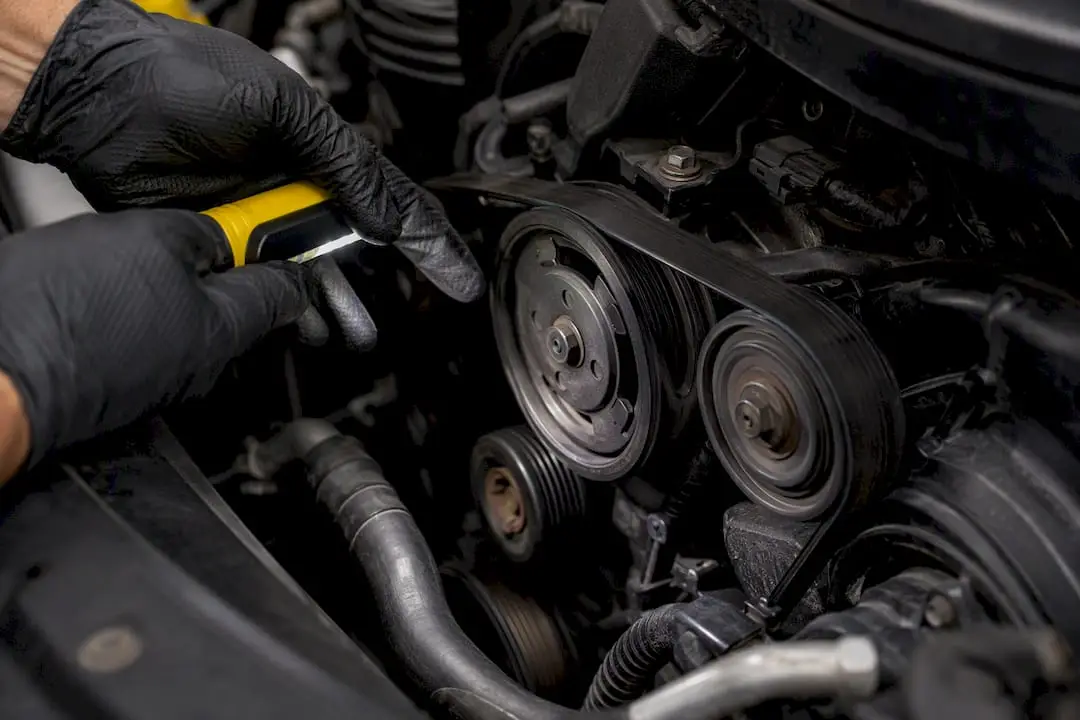
A seized compressor pulley can lock up while the belt is still running, which risks snapping the belt or stripping it off the pulleys entirely. If your engine also uses that belt to drive the water pump or alternator, a snapped belt can cause sudden loss of engine cooling or electrical charging, which is a genuine roadside hazard, not just an AC problem. If you hear a sudden screech followed by a loss of power steering assist or a dashboard warning light, pull over safely and have the vehicle towed rather than driving further.
Refrigerant exposure is another concern. Refrigerant escaping from a damaged line or fitting can cause frostbite on skin contact and shouldn’t be handled without proper equipment, which is one reason DIY recharging is discouraged without a leak check first.
Electrical faults at the compressor clutch or its wiring can, in rare cases, create a short that trips other circuits sharing a fuse or relay, so a “dead” AC clutch is worth having checked even if you’re not chasing cold air specifically.
None of these risks call for panic, but they do call for treating a locked-up compressor or a sudden noise change as a reason to stop driving and get it looked at, rather than something to push through until your next scheduled service.
Approach to Compressor Diagnosis
Certified mechanics follow the same sequence outlined above: verify the symptom, run pressure and electrical tests, check for leaks, then walk you through a transparent estimate before any work begins. When internal failure is confirmed, explanation is provided whether a flush and receiver/drier replacement are needed and why. You can review a full range of AC repair and diagnostic services or call ahead to schedule a visit.
Get Your AC Diagnosed the Right Way
A compressor that’s already seized, or a system contaminated with metal debris, only gets more expensive to fix the longer it’s ignored. Certified mechanics run the full diagnostic sequence, manifold gauge readings, clutch power tests, and leak detection, so you get a real answer instead of a guess about whether you need a clutch repair, a compressor swap, or a full system flush.

Bring your vehicle in and let our team pinpoint the actual cause before you spend a dollar on parts. If the diagnosis points to a full compressor replacement, we’ll walk you through why, what it includes, and what to expect for timing before you approve anything. Check our Services page for the full list of AC diagnostic and repair work offered, and it’s also worth checking current specials before you book, since seasonal offers occasionally apply to AC service. Call or stop by to get your air conditioning checked properly, before the Texas heat makes the wait a lot less comfortable.
Sources
- How Does Car AC Work? | UTI
- A/C Compressor guide and practical tips — Sanden
- How to flush your car’s AC system — Ry Compressors
FAQ
How Do I Know if My AC Compressor Is Bad?
Warm air from the vents combined with the clutch failing to engage, or a rattling or screeching noise when the A/C switches on, are the clearest signs. A professional pressure and electrical test confirms the diagnosis.
How Much Does It Cost to Fix a Bad AC Compressor?
Cost depends on your vehicle, whether contamination requires a full flush, and part availability, so it’s best treated as vehicle-dependent rather than a fixed number. Kwik Kar of Midlothian provides a written estimate after diagnosis so you know the cost before any repair begins.
How Long Do AC Compressors Usually Last?
There’s no fixed lifespan, since it depends heavily on maintenance, leak history, and how often the system runs. Compressors that go long stretches without use, or that run low on refrigerant for extended periods, tend to fail earlier than those maintained with regular use and prompt leak repairs.
What Is the Most Common Cause of AC Compressor Failure?
Oil starvation from a refrigerant leak is one of the most frequent causes, since the compressor depends on oil carried in the refrigerant for lubrication. Contamination from debris or moisture in the system is another leading cause, which is why flushing is often part of the repair.
Can I Just Recharge My AC Instead of Replacing the Compressor?
A recharge only helps if low refrigerant is the entire problem. If a leak already caused oil starvation and internal damage, recharging is a temporary stopgap at best and can stress a compressor that’s already failing.