




A noisy serpentine belt is usually a belt that is slipping, a pulley that is out of line, or a bearing that is wearing out. A squeal is most often slip. A chirp most often points to alignment. Either way, the noise is an early warning, and it is much cheaper to deal with it now than after the belt lets go on the road.
This guide helps you tell the sounds apart, understand what causes them, and decide what to do next. It also covers when to replace the belt and what the job typically costs.
TL;DR
- A chirp is short, sharp and repeating, and it is usually linked to pulley misalignment. A squeal is longer, higher and usually means the belt is slipping.
- Common causes are low tension, a worn or glazed belt, fluid contamination, a failing pulley bearing or tensioner, and a dragging accessory.
- Belt dressing and sprays hide the noise and can make contamination worse. Have the cause found instead.
- Start checking belts at 60,000 miles. Modern belts can look fine and still be worn out.
- A typical serpentine belt replacement budget is around $200 in the U.S., depending on the vehicle and shop.
Table of Contents
- What a bad serpentine belt sounds like
- Why it squeals on startup or chirps when you accelerate
- The most common causes of serpentine belt noise
- Warning signs beyond the noise
- Can you keep driving with a noisy belt?
- Why belt dressing and sprays are the wrong fix
- How to check your own belt
- When to replace a serpentine belt
- What serpentine belt replacement costs
- Buying a used car? Listen on a cold start
- Our perspective
- Get your belt checked in Midlothian
- FAQ
- Schedule your belt inspection
- Sources
What a bad serpentine belt sounds like
A healthy serpentine belt makes a low hum at most. Anything sharper is worth listening to closely. The two sounds drivers describe most often are chirping and squealing, and they point in different directions.
A chirp is sharp, repetitive and short. Dayco, a belt manufacturer, describes it as generally worse at low engine speed or at idle. Think of a bird in the engine bay that keeps time with the engine.
A squeal is high-pitched and lasts several seconds. According to the same Dayco guidance, it usually gets louder as engine speed climbs. Dayco’s belt noise guide says a squeal can change in volume but not in pitch.
The Automotive Technical Institute’s belt and pulley guide draws the same line. A chirp is usually a short, high-pitched, low-speed noise tied to pulley misalignment. A squeal is longer or constant and usually reflects the belt slipping on a pulley.

A quick way to tell them apart
Here is a simple check from the same Dayco guidance. With the engine idling, a small amount of water on the belt ribs can help sort out the cause:
- If the noise goes away when the belt is wet, the belt is most likely slipping, which points to a squeal from tension or wear.
- If the noise stays, alignment trouble is more likely, which points to a chirp.
Keep your hands, hair and clothing well clear of the belt and pulleys while the engine runs. If you are not comfortable doing this, skip it. A technician can do it in a minute.
Why it squeals on startup or chirps when you accelerate
Most drivers first notice the noise at one of two moments: right after a cold start, or when they press the gas.
For the cold-start squeal, Consumer Reports notes that a squeal on startup or when revving under the hood is often a slipping drive belt. Rubber is stiffer when cold and grips less well. A belt with marginal tension or a worn surface slips until it warms up.
The same source says an adjustment may fix a loose belt, but a glazed belt generally needs to be replaced. Glazing is a shiny, hardened surface on the belt that no longer grips the pulleys.
A chirp when you accelerate is a different story. When engine speed and accessory load change, a pulley that is slightly out of line makes the belt’s ribs rub as they enter the groove. That is the classic chirp. It can also come from a belt that was not installed correctly.
If a brand-new belt chirps, that is a clue in itself. A new belt with an old noise often means the real problem is a pulley, tensioner or installation issue, not the belt.
The most common causes of serpentine belt noise
Dayco lists a handful of causes behind belt noise. Here they are in plain language.
- Pulley misalignment. A pulley sits slightly off line, so the belt runs at an angle. This is the one most often tied to chirping.
- Improper installation. The belt is not seated in every groove, or the tensioner was not set correctly.
- Worn belt ribs. As the ribs wear down, the belt loses grip and starts to slip.
- Worn or wobbling pulley bearings. A bearing that is going bad adds friction and noise.
- Fluid contamination. Oil, power steering fluid, antifreeze or even belt dressing can get on the belt.
- Low belt tension. A loose belt slips under load, especially on a cold start.
- Accessory or idler drag. Something the belt drives, like the alternator, power steering pump or A/C compressor, is harder to turn than it should be.
- Accessory failure or lock-up. A component seizes and the belt fights it.
The Automotive Technical Institute guide adds water-induced slip to the list. Heavy rain or a puddle can make a belt squeal briefly, which is normal as long as it clears up quickly.
Fluid on the belt
Contamination deserves its own mention, because it is easy to miss. Dayco says oil, power steering fluid, antifreeze or other petroleum-based contamination can weaken or swell an EPDM belt, the rubber compound used in most modern belts. An oil-soaked serpentine belt should be replaced.
That means swapping the belt alone is not enough. The leak that soaked it has to be found and fixed, or the new belt will suffer the same fate.
Tensioners and pulleys
The tensioner keeps the right pressure on the belt, and idler pulleys guide it. When their bearings wear, they can make noise long before they fail. O’Reilly Auto Parts notes that with the belt removed, a rough or stiff tensioner or idler pulley can indicate failing bearings, which may cause noise, friction, wear and sudden failure.

This is why a technician will often spin the pulleys by hand during a belt inspection, not just look at the belt.
Warning signs beyond the noise
Noise is not the only symptom. The same O’Reilly guide lists other signs that a belt or its related parts may need attention:
- Cracking, fraying or uneven edge wear on the belt
- Shallow rib grooves
- A belt that looks misaligned on its pulleys
- Visible pulley damage, or pulleys that feel stiff or rough
- Warning lights on the dash
- Engine overheating
- Weak A/C performance
- Heavier steering
- A battery that does not seem to charge
These make sense once you know what the belt does. One belt often drives the alternator, the power steering pump, the A/C compressor and, on many engines, the water pump. When it slips or breaks, several systems suffer at once.
O’Reilly also notes that a belt or pulley failure can trigger a check engine, battery or temperature warning light, especially when the alternator or water pump is affected. If your temperature gauge climbs, our guide to engine overheating causes explains what to do. If the cooling fan is the concern, see these safe checks for a fan that won’t run.
Consumer Reports says that a high-pitched whine or chirp along with vibration noise can indicate a belt-tension problem. It recommends consulting your owner’s manual and a qualified technician when you are unsure.
Can you keep driving with a noisy belt?
A light squeal that comes and goes is usually not an emergency, but it is a reason to book an inspection soon. A belt that squeals is a belt that is already not doing its job fully, and it can fail suddenly.
Stop driving and get help if any of these happen:
- The temperature gauge rises or the engine overheats
- The battery or check engine light comes on
- Steering suddenly gets heavy
- You see the belt frayed, shredded or hanging loose
Without the belt, the alternator stops charging and the water pump may stop circulating coolant, depending on how your engine is built. Pulling over early protects the engine from far more expensive damage.
Why belt dressing and sprays are the wrong fix
Drivers often ask whether a quick spray can quiet the belt. It may quiet it for a few minutes, but it does not fix the reason it was noisy. Dayco includes belt dressing among the contaminants that can cause belt noise, so a spray can make a slipping belt worse over time.
Oil-based products like WD-40 are also not made for rubber drive belts, and petroleum-based contamination can weaken an EPDM belt. If the belt is making noise, the answer is to find out why, whether that is tension, alignment, a bearing or the belt itself.
How to check your own belt
A quick look takes five minutes with the engine off and cool. Use a flashlight and look at the ribbed side of the belt.
Consumer Reports recommends checking belts for cracks, fraying, splits, glazing, separating layers and missing chunks of the grooves. It adds that a glazed belt can slip, overheat or crack.
Here is a simple routine:
- Check the whole length of the belt, rotating the engine by hand is not needed. Look at the visible portion and note any shiny or glassy patches.
- Look for rib material that is missing or worn flat.
- Look for oil, coolant or fluid on the belt or pulleys.
- Check that the belt sits straight in every pulley groove.
- Note when the noise happens: cold start, acceleration, turning, or A/C on.
If you want a broader seasonal checklist, these summer car care checks cover other items worth looking at while the hood is open.
Telling a technician when the noise happens saves diagnostic time. “Squeals for ten seconds after a cold start, then goes away” is far more useful than “it makes a noise.”
When to replace a serpentine belt
The old rule was to replace a belt when it showed three cracks in three inches. That is outdated for most cars on the road now. Gates, a belt manufacturer, explains in a technical bulletin that modern EPDM belts can run 100,000 miles or more without visible cracks. Loss of rib material is a better wear indicator, and as little as 5% rib loss can cause problems.
Gates recommends beginning belt checks at 60,000 miles. Consumer Reports makes a similar point: modern composite belts may fail without obvious visible deterioration, so inspection should focus on glazing, missing material, cracks, fraying and correct tension.
In practice, replace the belt when:
- It is glazed, cracked, frayed or missing rib material
- It is contaminated with oil or other fluid
- It keeps squealing after the tension and alignment are checked
- Your manufacturer’s maintenance schedule calls for it
The owner’s manual gives the interval for your specific engine. Our manufacturer-scheduled maintenance work follows those schedules.
A note on timing belts
Don’t confuse the serpentine belt with the timing belt. They are separate parts with different jobs, and a timing belt sits inside the engine. If your vehicle has one, see our guide to timing belt replacement intervals and costs.
What serpentine belt replacement costs
Your vehicle, the number of accessories the belt drives and the labor time all affect the price. As a general U.S. benchmark, Car Talk reported in August 2025 that a typical replacement budgets around $200. The belt itself commonly costs $35 to $150, with roughly half an hour to an hour of labor. Dealer work may add about 30%.
If a tensioner or idler pulley also needs replacement, the total goes up. That is why a proper inspection first is useful: you learn what the noise is really about before you approve anything. We do not publish prices for this service, so call us for an estimate on your vehicle.
Buying a used car? Listen on a cold start
If you are shopping for a used vehicle, belt noise is easy to catch if you arrive when the engine is cold. Ask the seller not to warm it up before you get there. A squeal in the first seconds can point to a belt or tension issue. This test drive checklist walks through cold-start and other faults to listen for.
First-time buyers can also bring a car to us for a look before they commit.
Our perspective
Belt noise is one of the most common reasons drivers come to us, and it is also one of the most misunderstood. People expect a noisy belt to simply need a new belt. Sometimes it does. Often the belt is only the messenger.
That is why we start with the cause. Our ASE-certified mechanics look at the belt, the tensioner, the pulleys and anything driven by the belt, and we explain what we find in plain terms. If a part is fine, we say so. If something needs work, we show you why and talk through your options before any repair begins.
We think a belt problem is best handled at the first chirp or squeal, when it is a routine job. Waiting until the belt breaks turns a small repair into a tow and possibly engine trouble. Our repairs are warranty-backed, and our goal is for you to leave understanding your vehicle better than when you arrived.
Kwik Kar
Get your belt checked in Midlothian
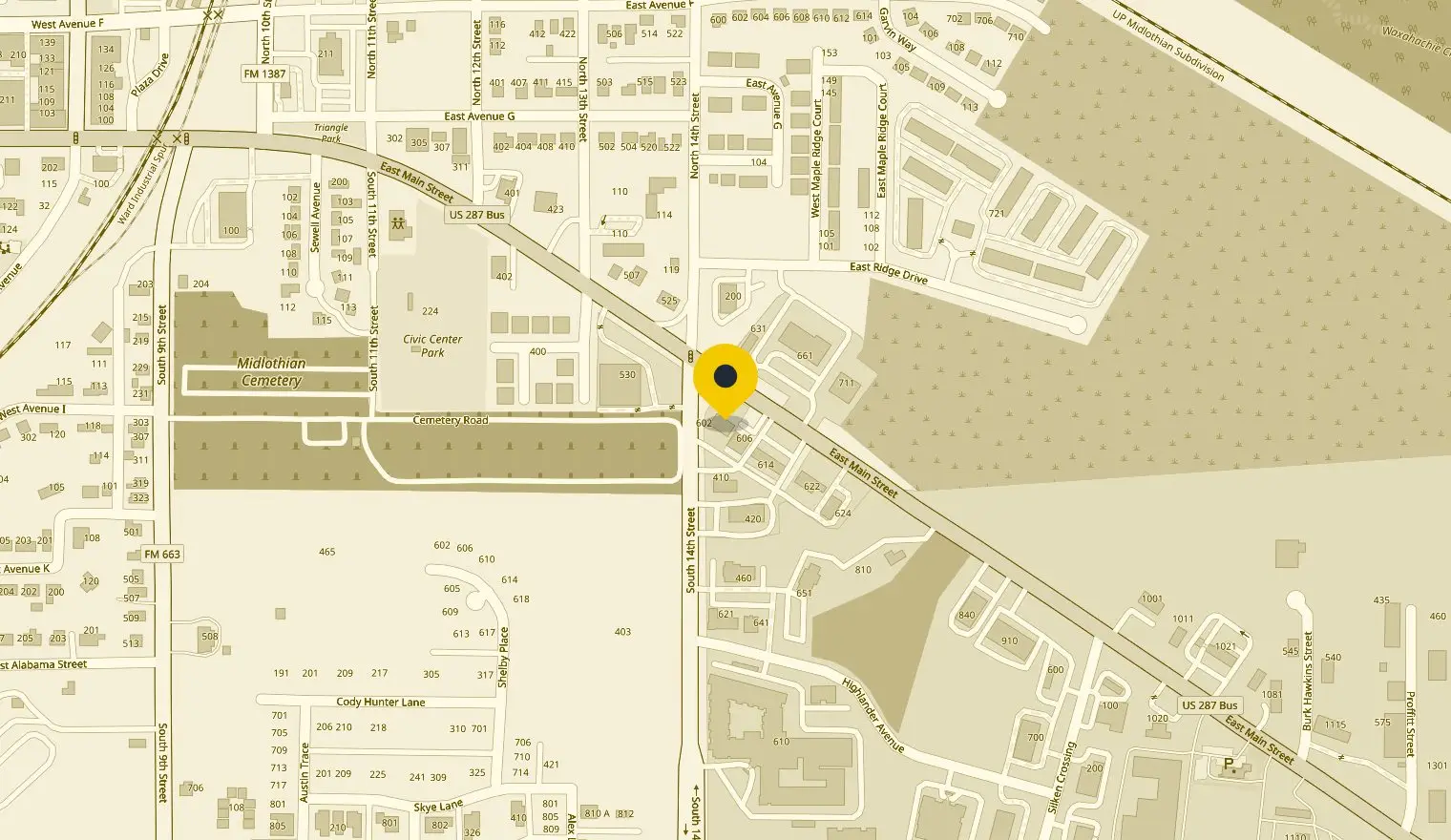
Our shop handles belts, hoses and timing belt service, along with the battery, alternator and A/C work that can be tied to a belt problem. If a noise has you wondering, we can inspect the belt, tensioner and pulleys and tell you what we see.

You can browse everything we do on our services page or look for current coupons on our specials page.
FAQ
Why is my serpentine belt squealing on startup?
A cold-start squeal is often a slipping belt, as Consumer Reports explains. Cold rubber grips less, so low tension, wear or contamination shows up first. If the belt is glazed, it generally needs replacement, not just adjustment.
Why does my belt chirp when I accelerate?
A chirp is usually tied to pulley misalignment, and it can also come from a worn bearing or a belt that was installed poorly. Because the load on the belt changes when you accelerate, the noise often becomes easier to hear. A technician can check alignment and spin the pulleys to find the source.
How do I know if my serpentine belt is going bad?
Look for squealing, cracks, fraying, glazing, missing rib material and shallow grooves. Dash warning lights, overheating, weak A/C or a battery that is not charging can also point to belt trouble. Modern belts can wear out without looking cracked, so check the belt at 60,000 miles.
Can I use WD-40 or belt dressing to stop the noise?
We advise against it. Sprays can only cover the noise for a short time, and Dayco lists belt dressing as a source of contamination that causes belt noise. A proper inspection finds the real cause.
Is it safe to drive with a noisy serpentine belt?
A short drive to the shop is generally reasonable if the noise is the only symptom. Stop right away if the engine overheats, a warning light comes on or steering turns heavy. Call us at (972) 775-5945 to schedule an inspection.
Schedule your belt inspection
If your belt has started to squeal or chirp, don’t wait for it to get worse. Call Kwik Kar Midlothian at (972) 775-5945 to schedule service, and we will find out what is behind the noise and get you back on the road with confidence.
Sources
- Dayco: My serpentine belt is making a noise, how do I determine what’s causing it
- Dayco: How to Fix Serpentine Belt Noise
- Automotive Technical Institute: Serpentine Belts & Pulleys
- Consumer Reports: What Your Car Is Telling You When It Whines, Creaks, or Squeals
- Consumer Reports: How to Inspect Car Belts and Hoses
- Gates: Tech Tip on Belt Inspection Changes TT002-15
- Car Talk: How Much Does It Cost to Replace a Serpentine Belt
- Serpentine Belt Symptoms & Diagnosis
- Test drive checklist
- Summer car care checks