



A typical wheel alignment costs somewhere between $50 and $250 depending on whether you need a two-wheel or four-wheel service and what your vehicle requires. If you’ve just installed new tires, noticed your car pulling to one side, or had suspension work done, paying for an alignment is almost always worth it. The exact price depends on your vehicle, your suspension’s condition, and whether any parts need replacing first.
TL;DR:
- Front end alignments generally cost $50 to $100, while four wheel service runs $100 to $250; ask whether tax and shop fees are included.
- Older vehicles with solid rear axles may need front adjustment only, while all wheel drive cars and many newer models need both axles checked.
- Worn tie rods, ball joints, or control arms must be replaced before alignment, because adjustments on damaged components often will not hold.
- Check alignment yearly and whenever you install tires; arrange another inspection after a collision, steering or suspension repair, or a hard pothole impact.
- Drivers should seek prompt inspection for pulling, a crooked steering wheel, uneven tire wear, or vibration, especially after hitting a pothole or curb.
Table of Contents
- What Does a Wheel Alignment Typically Cost?
- Two-Wheel vs. Four-Wheel Alignment: Which Do You Need?
- What Makes Alignment Prices Go Up or Down?
- What Happens During a Wheel Alignment Service?
- Signs Your Car Needs an Alignment Check
- How Often Should You Get an Alignment?
- How to Save Money on a Wheel Alignment
- How We Handle Alignments at Kwik Kar Midlothian
- When Is It Worth Paying More for an Alignment?
- Book an Alignment with Kwik Kar Midlothian
- FAQ
- Sources
What Does a Wheel Alignment Typically Cost?
Most shops price alignments by how many wheels need adjusting. A front-end or two-wheel alignment usually runs on the lower end, while a four-wheel alignment costs more because it involves checking and adjusting the rear axle too, according to AAA Connect. Here’s a rough breakdown of what you might see when you call around:
- Front or two-wheel alignment: generally $50 to $100
- Four-wheel alignment: generally $100 to $250
- Economy or compact cars: tend to land on the lower end since the suspension setup is simpler
- Trucks and SUVs: often cost more due to larger components and four-wheel adjustment needs
- Luxury or performance vehicles: can run higher because of specialized suspension parts and tighter tolerances
Some shops add sales tax or a small shop supply fee on top of the quoted price, so ask for the total before you commit. If a quote seems unusually low, it’s worth asking what’s actually included.
Two-Wheel vs. Four-Wheel Alignment: Which Do You Need?
A two-wheel (front-end) alignment adjusts only the front axle, which works for many older vehicles with a solid rear axle and no independent rear suspension. A four-wheel alignment adjusts both axles and fits most modern cars, especially those with independent rear suspension or all-wheel drive.
- Front-wheel-drive sedans with a simple rear suspension often only need front alignment
- All-wheel-drive and four-wheel-drive vehicles typically need a four-wheel alignment
- Many newer vehicles, regardless of drivetrain, have independent rear suspension that calls for four-wheel service
Shops don’t always use the same labels for these packages, so ask directly whether both axles get checked and adjusted, not just measured.
What Makes Alignment Prices Go Up or Down?
Several things push alignment costs higher than the baseline quote. Suspension or steering damage from a pothole or minor collision often means worn parts need replacing before an alignment will even hold. Aftermarket wheels, lifted or lowered suspensions, and specialty tires can also add time and cost because they require extra adjustment.
Common cost drivers include:
- Worn tie rods, ball joints, or control arms that need replacement first
- Aftermarket or oversized wheels and tires
- Lifted or lowered suspension setups
- Regional labor rate differences between shops
A responsible shop inspects your steering and suspension components before touching the alignment, since aligning a vehicle with worn parts rarely holds. That inspection-first approach matters more than the sticker price on the service.
Pro Tip: Always ask for an itemized estimate that separates parts from labor, so you know exactly what you’re paying for before work begins.
What Happens During a Wheel Alignment Service?
A proper alignment isn’t just a quick adjustment. Expect these general steps:
- An initial inspection of suspension and steering components for wear or damage
- Measurement of toe, camber, and caster angles using alignment equipment
- Adjustments to bring those angles within the manufacturer’s specifications
- A verification road test to confirm the vehicle tracks straight and the steering wheel sits centered
Some shops offer wheel balancing or tire rotation as add-ons during the same visit. These aren’t required for the alignment itself, but they’re worth considering if it’s been a while since your last rotation. Most alignment appointments take about 30 minutes to an hour, depending on what the inspection turns up.
Signs Your Car Needs an Alignment Check
A few warning signs usually mean it’s time to get checked out rather than wait for your next scheduled service. Watch for:
- Your car pulling or drifting to one side when driving on a flat road
- A steering wheel that sits off-center even when driving straight
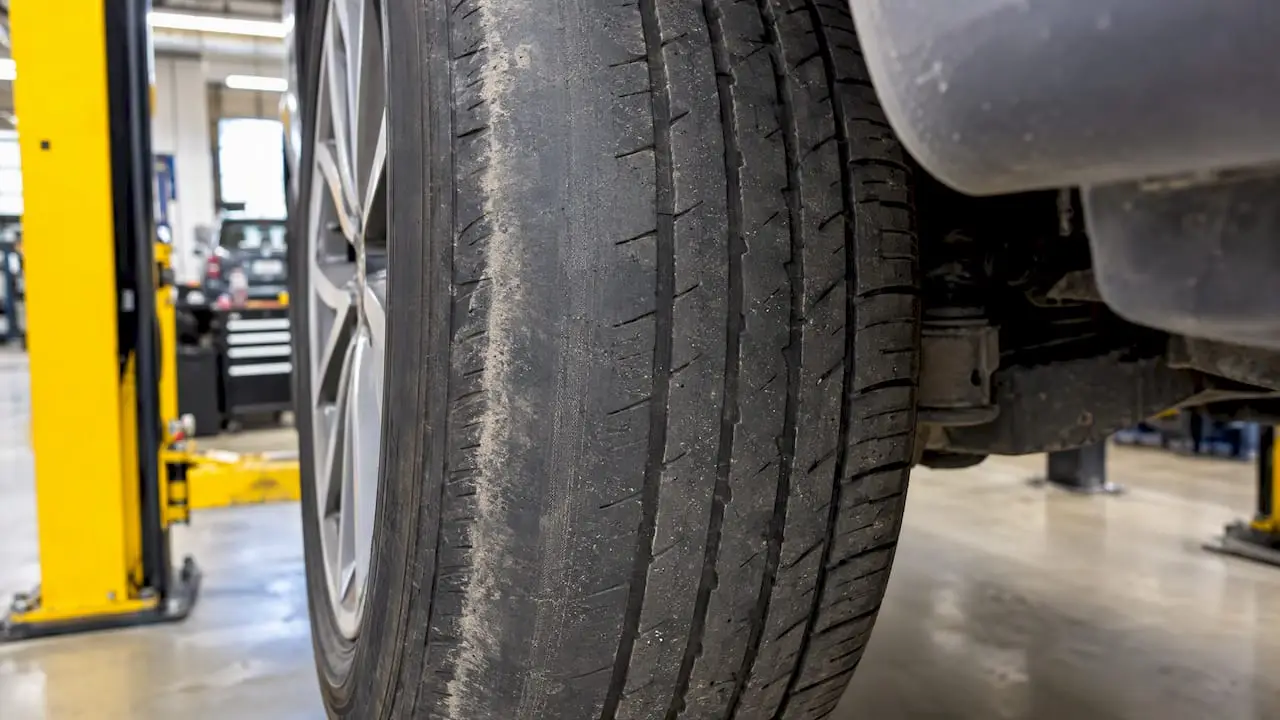
- Uneven or rapid tire wear on one edge of the tread
- Vibration in the steering wheel or a general feeling of looseness in handling
Proper tire maintenance, including alignment, helps tires last longer and supports overall vehicle safety, according to NHTSA.
If you notice pulling or vibration, especially after hitting a pothole or curb, get your car looked at soon rather than waiting. Ignoring these signs speeds up tire wear and can affect how well your car handles in an emergency.
How Often Should You Get an Alignment?
Most vehicle owners do fine checking alignment once a year or whenever they install new tires. AAA recommends getting an alignment when installing new tires, since new tread needs even contact with the road to wear properly.
Other common triggers include:
- After a collision, even a minor one
- Following any suspension or steering repair
- After hitting a deep pothole or curb
- If you frequently drive on rough or unpaved roads
Keeping your alignment in check protects your tire investment and keeps your fuel economy closer to what your vehicle is capable of.
How to Save Money on a Wheel Alignment
You can lower your out-of-pocket cost without skipping the parts that matter. A few practical approaches:
- Watch for shop specials or coupons rather than paying full price upfront
- Combine your alignment with an oil change or tire rotation to save a trip
- Ask for an inspection first so you know if parts need replacing before you pay for alignment
Pro Tip: Avoid any offer that skips the pre-alignment suspension check entirely. A cheap alignment on worn parts rarely holds, and you’ll end up paying twice.
Consumer Reports notes that chain repair shops are a reasonable option for routine services like alignments, while more complex suspension repairs may call for a specialist. Either way, get an itemized estimate before saying yes.
How We Handle Alignments at Kwik Kar Midlothian
We start every alignment with a suspension and steering inspection. We check for common suspension issues before we recommend an alignment service, and we walk you through what we find in plain language.
- We inspect suspension components before performing any alignment
- We explain what needs attention and why
- You can review our full list of maintenance and repair services to see how alignments fit alongside other care your vehicle needs
- Current discounts are listed on our specials page if you want to check for savings before booking
When Is It Worth Paying More for an Alignment?
Spending more makes sense when safety is on the line. If your inspection turns up worn suspension or steering parts, fixing those first and paying for warranty-backed repairs protects you far more than chasing the cheapest alignment quote. A basic alignment is perfectly fine for routine maintenance when the inspection shows no worn parts and you’re simply keeping up with new tires or an annual check.
The real question isn’t whether an alignment is expensive. It’s whether the shop checked what’s underneath before adjusting anything.
— Kwik Kar
Book an Alignment with Kwik Kar Midlothian
We handle alignments the same way we handle everything else: inspect first, explain clearly, then do the work right. If your car is pulling to one side, you just put on new tires, or it’s simply been a while, our certified mechanics will check your suspension before recommending an alignment, so you’re not paying for a fix that won’t last.

You can see our full lineup of services, check current specials for savings, or go ahead and book an appointment that fits your schedule.
- We inspect suspension and steering components before every alignment
- Our certified mechanics explain findings in plain language, no guesswork
- You can combine an alignment with other maintenance in the same visit
FAQ
How much does a full alignment cost?
A full four-wheel alignment typically costs between $100 and $250, while a front-end alignment usually falls between $50 and $100, according to AAA Connect. The exact price depends on your vehicle type and whether any suspension parts need replacing first.
Do I need 2 or 4 wheel alignment?
It depends on your vehicle’s suspension setup. Many older vehicles with a solid rear axle only need front alignment, while most modern cars with independent rear suspension or all-wheel drive need a four-wheel alignment.
Can I drive my car with bad alignment?
You can usually drive with minor misalignment, but it speeds up uneven tire wear and can make handling less predictable, especially in an emergency maneuver. If you notice strong pulling, vibration, or a steering wheel that sits off-center, it’s safer to get it checked soon rather than keep driving on it.
Is paying for alignment worth it?
Yes, especially after new tire installation, a collision, or suspension work, since proper alignment helps tires wear evenly and last longer. NHTSA notes that proper tire maintenance, including alignment, supports both tire longevity and overall vehicle safety.
Sources
- Tire Safety Ratings and Awareness | NHTSA
- Does your car need an alignment or tire balance? | AAA
- Your car maintenance checklist — Consumer Reports